%2Ffit-in%2F250x250%2Fguide_websites%2F11750%2Fimages%2Fchampion.png&w=1920&q=100)
Caught a Rock Bass Fishing Trip in Branson
Rock Bass Fishing in Branson, MO
5.0

1 Review
- 5
 100%
100% - 4
 0%
0% - 30%
- 20%
- 10%
%2F%2Fusers%2F4f10c097-efba-4e73-9332-3ef390616949%2Fimages%2Frock-bass-skilled-fishing-techniques-12045.png&w=1920&q=75)
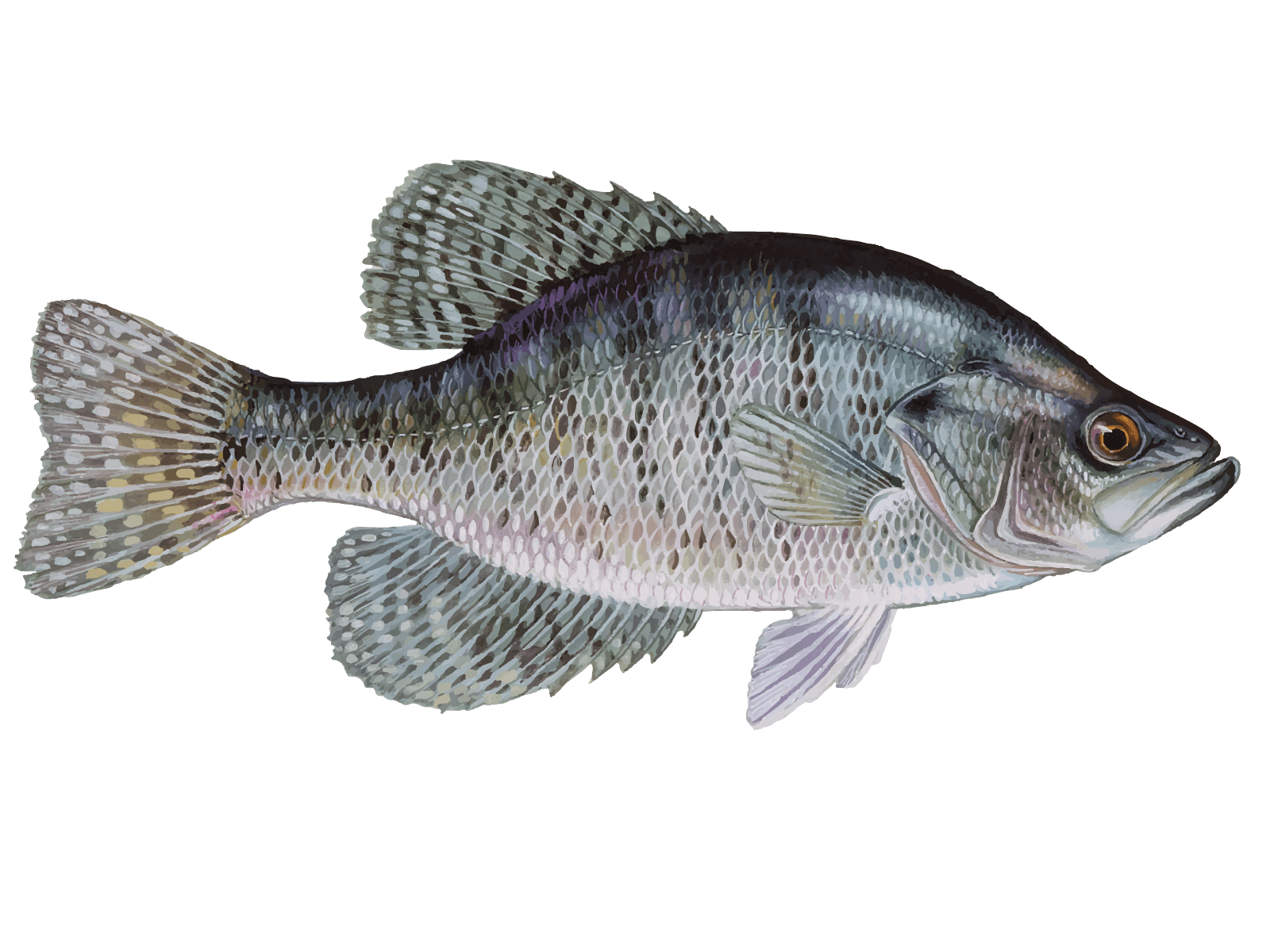
The Rock Bass belongs to the order Perciformes and family Centrarchidae. It typically measures between 6 and 17 inches in length, with a weight range from 1 to 3 lbs. - Prefers rocky bottom habitat in lakes and streams. - Known for their large, reddish eyes that give them the nickname "goggle-eye." - Features a short, stocky body with a large mouth. - Has five to seven spines in its anal fin.
Guided Fishing Trip by Guide Rick Skidmore in August
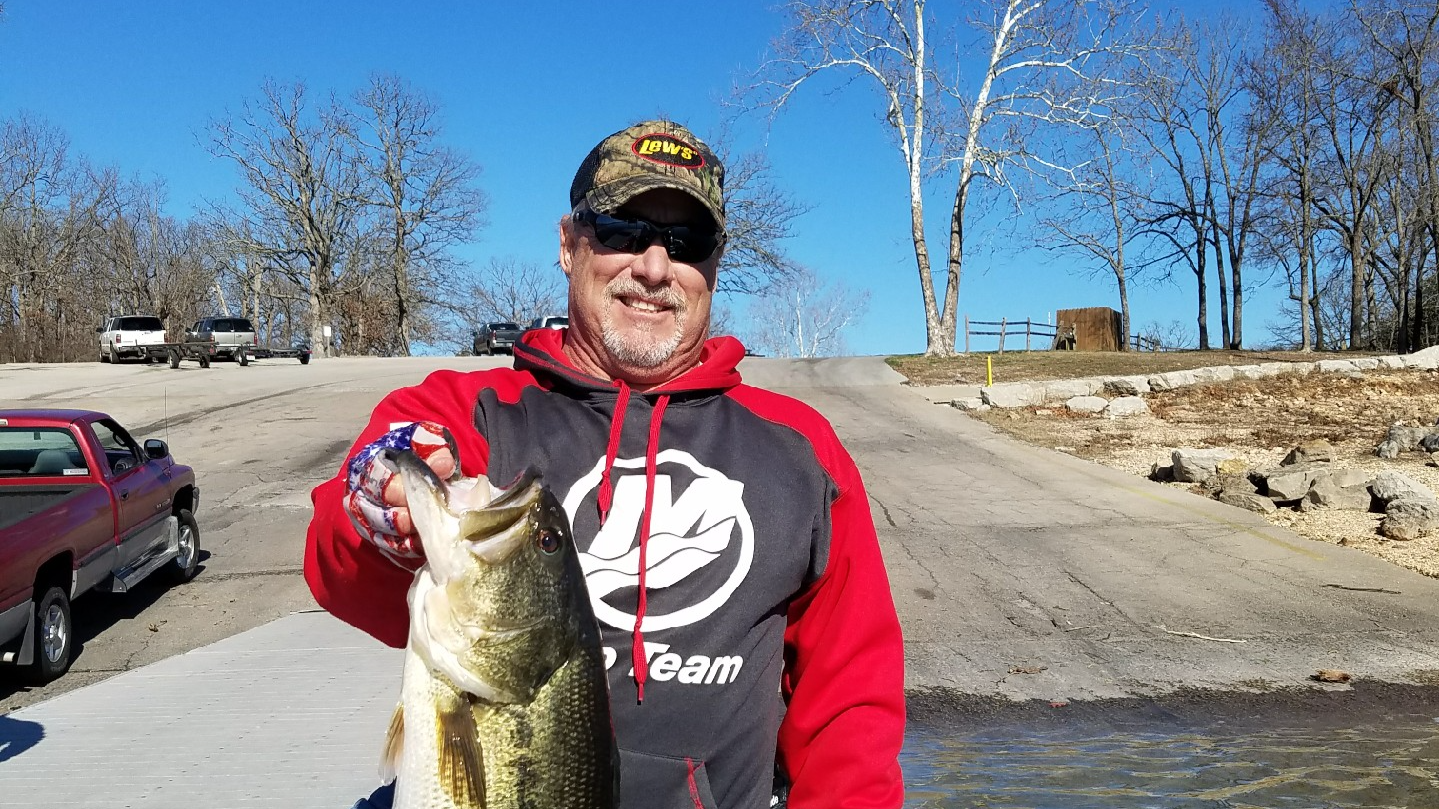
Meet your Guide Rick Skidmore
- Branson MO Fishing Guide, Reel in Adventure Today


Summary
Guide Rick Skidmore of Champion Guide Service on Monday May offers expert-led fishing trips targeting crappie and rock bass on Table Rock Lake and Lake Taneycomo. This 4-hour guided fishing trip focuses on advanced techniques like jigging and baitcasting around submerged timber and brush piles. Starting at 6 a.m. in summer and 7 a.m. in winter to maximize bite times, all fishing gear and tackle are provided. The scenic Ozark waters near Branson provide excellent habitat for panfish species, with clear conditions and warming waters bringing fish up shallow. Perfect for seasoned anglers looking to refine their skills on Missouri's productive lakes with local expertise and proven location strategies.
Fishing Charter with Rick Skidmore – Rates & Booking
Guide Rick Skidmore of Champion Guide Service on Monday May leads 4-hour crappie fishing charters on Table Rock Lake and Lake Taneycomo. This expert-led trip is designed for seasoned anglers and includes all fishing gear, tackle, and safety equipment. Trips start at 6 a.m. in summer and 7 a.m. in winter to take advantage of prime feeding times. Captain Rick provides in-depth guidance on advanced crappie-fishing techniques and location strategies to help you maximize your catch success. Book online to secure your spot on these productive Branson waters.
Highlights of Branson Crappie Fishing Charter on Table Rock Lake and Lake Taneycomo
This charter focuses on targeting crappie and rock bass using proven techniques around submerged timber and brush piles. The trip covers different depths to locate where fish are holding, switching between jigging and baitcasting methods. Table Rock Lake's clear waters and rocky structure provide ideal habitat for panfish species. Guide Rick shares local knowledge about seasonal patterns and the best spots to find quality fish in the Ozark region.
All necessary equipment is provided, making this trip perfect for anglers who want to focus on technique refinement rather than gear preparation. The scenic backdrop of the Ozarks adds to the fishing experience, with calm morning conditions typical of these protected waters.
Local Species Insights: Rock Bass
Rock bass thrive in Table Rock Lake's rocky bottom structure and vegetation areas, making them a common catch alongside crappie. These scrappy fighters are known for their aggressive strikes and strong runs, often surprising anglers with their tenacity relative to their size. In May, warming water temperatures bring rock bass into shallower areas where they feed actively on small baitfish and insects. Guide Rick targets them around the same structure as crappie, using similar techniques but often with slightly heavier tackle to handle their fighting ability.
Plan Your Fishing Charter Day
Your charter includes a fully equipped boat with all fishing gear, tackle, and safety equipment provided by Champion Guide Service. The trip accommodates up to 2 guests and runs for 4 hours, giving you plenty of time to work different areas of the lake. Early morning start times ensure you're on the water during peak feeding periods when fish are most active. Guide Rick provides instruction on advanced techniques and shares local knowledge about seasonal patterns and productive fishing spots throughout the Branson area.
Fishing in Branson, MO: Rock Bass

Rock Bass (Ambloplites rupestris) are a popular freshwater game fish belonging to the sunfish family Centrarchidae in the order Perciformes. Also known as goggle-eye or red-eye bass due to their distinctive large, reddish eyes, these scrappy fighters are prized by anglers for their aggressive strikes and determined fights. In Branson waters this May, rock bass provide excellent action around Table Rock Lake's rocky structure and vegetation areas.
Rock Bass Overview
Rock bass are characterized by their short, stocky build and bronze to olive-green coloration with darker mottling along their sides. They have a large mouth relative to their body size and five to seven spines in their anal fin, distinguishing them from other sunfish species. These fish are well-adapted to rocky environments and are commonly found in clear, cool waters throughout the Midwest.
Rock Bass Habitat and Distribution
Rock bass prefer rocky bottoms, submerged timber, and areas with moderate vegetation in lakes and streams. They thrive in the clear, structured waters of Table Rock Lake and Lake Taneycomo near Branson, where rocky ledges and brush piles provide ideal cover. These fish are native to the Great Lakes and Mississippi River drainage systems but have been widely introduced to suitable waters throughout North America.
Rock Bass Size and Weight
Most rock bass range from 6 to 17 inches in length and weigh between 1 to 3 pounds. While they're not the largest game fish, their aggressive nature and fighting ability make them exciting targets for light tackle fishing. Trophy specimens can occasionally exceed these typical ranges in productive waters with abundant forage.
Rock Bass Diet and Behavior
Rock bass are opportunistic predators that feed on crayfish, small fish, insects, and aquatic invertebrates. They're most active during dawn and dusk but can be caught throughout the day, especially around structure. These fish are known for their aggressive strikes and will often hit lures and baits intended for other species, making them a welcome surprise for crappie anglers.
Rock Bass Spawning Season
Rock bass spawn in late spring when water temperatures reach the mid-60s to low 70s Fahrenheit. Males create nests in shallow, rocky areas and aggressively defend their territory. During this period, they become even more aggressive and are easily caught by anglers targeting spawning areas.
Rock Bass Fishing Techniques
Effective techniques include jigging with small jigs tipped with minnows or soft plastics around rocky structure and brush piles. Light spinning tackle works well, though slightly heavier gear than used for crappie helps handle their strong fights. In May around Branson, anglers find success working depths of 8-15 feet near rocky points and submerged timber where rock bass ambush prey.
Rock Bass Is It Good to Eat?
Rock bass are excellent table fare with firm, white meat and a mild, sweet flavor. They're best prepared filleted and can be pan-fried, baked, or grilled. The meat is flaky and similar to other sunfish species, making them a popular choice for fish fries and family meals.
Rock Bass Frequently Asked Questions
Q: What is the best bait for rock bass?
A: Small jigs tipped with minnows, crayfish, or soft plastic grubs work excellently. Live nightcrawlers and small spinners are also effective choices.
Q: Where can I find rock bass near Branson?
A: Table Rock Lake and Lake Taneycomo offer excellent rock bass fishing around rocky points, submerged timber, and brush piles in 8-20 feet of water.
Q: Is rock bass good to eat?
A: Yes, rock bass have firm, white meat with a mild flavor that's excellent when filleted and prepared fresh.
Q: When is the best time to catch rock bass?
A: Early morning and evening provide the best action, though rock bass can be caught throughout the day around structure during spring and fall.
More specie you can explore on this trip
Branson Champion Guide Service Available Trips
Other customer memories from this trip
Captain Rick Skidmore's crappie fishing charter takes you out on Table Rock Lake and Lake Taneycomo for a focused 4-hour trip. You'll cruise these prime Branson, Missouri waters in a well-equipped boat designed for serious anglers. With room for two guests, there's plenty of space to cast your lines and reel in some impressive catches. The early morning departure means you'll be on the water when the fish are most active. Captain Rick provides all the gear you need, from rods and reels to specialized crappie lures. His years of experience on these lakes means he knows just where to find the best spots. You'll learn advanced techniques to improve your crappie fishing game, picking up tips on everything from bait selection to interpreting fish finders. It's a hands-on experience perfect for those looking to level up their angling skills in some of the Midwest's most productive waters.