%2Ffit-in%2F250x250%2Fguide_websites%2F11750%2Fimages%2Fchampion.png&w=1920&q=100)
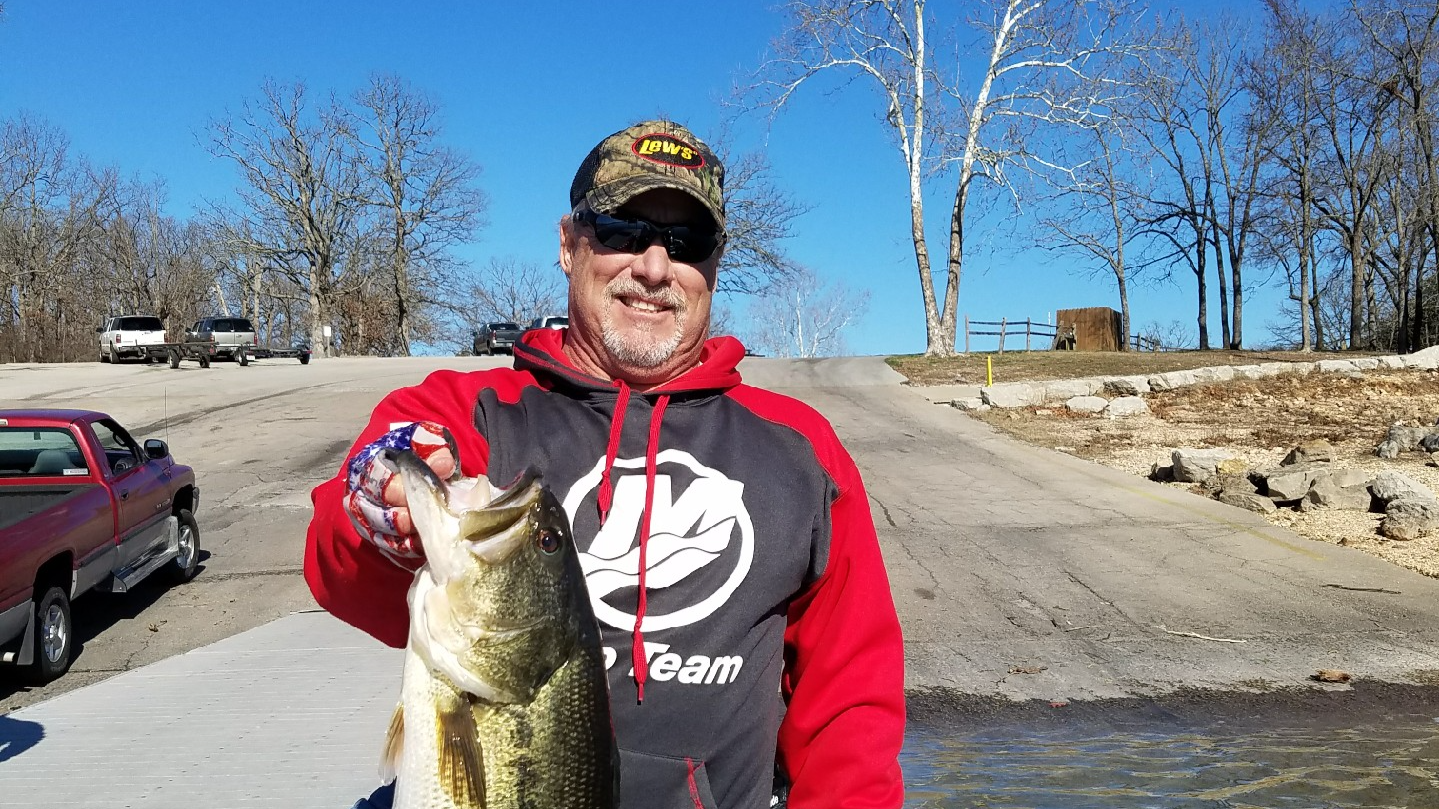
Spotted Bass Caught on Table Rock Lake in Branson
Largemouth Bass Fishing on Table Rock Lake - What to Expect
5.0

1 Review
- 5
 100%
100% - 4
 0%
0% - 30%
- 20%
- 10%
%2F%2Fusers%2F4f10c097-efba-4e73-9332-3ef390616949%2Fimages%2Fspotted-bass-table-rock-lake-3842.png&w=1920&q=75)
Guided Fishing Trip by Guide Rick Skidmore in April
- Branson MO Fishing Guide, Reel in Adventure Today


Summary
Experience an action-packed guided fishing trip targeting largemouth bass on Table Rock Lake near Branson, MO. This 4-hour adventure with experienced guide Rick Skidmore delivers hands-on instruction, premium tackle, and real-time strategies for landing trophy-sized spotted bass. Thursday in April is the perfect timing to chase aggressive feeding patterns on these scenic waters.
Bass Fishing with Rick Skidmore - Rates & Booking
Guide Rick Skidmore of Champion Guide Service launches a 4-hour largemouth bass fishing expedition on Thursday, April 23rd. This guided fishing trip accommodates up to 2 guests and delivers everything you need to succeed: professional-grade fishing rods, varied tackle selections, safety equipment, and strategic insight earned through years on Branson's premier lake. All gear is included, so bring nothing but your enthusiasm and willingness to learn proven bass-catching techniques.
Rick's local expertise transforms this outing into more than just a fishing trip - it's an intensive masterclass in locating and landing largemouth bass across Table Rock Lake's diverse structure. Whether you're a beginner seeking foundational skills or an experienced angler looking to refine your approach, this guided experience delivers results. The half-day format keeps energy levels high while maximizing productive fishing time.
Book your spot today to secure your preferred date and time slot on the water.
Highlights of This Bass Fishing Adventure
Expect explosive action as Rick positions your boat over prime bass structure. Table Rock Lake's clear waters and diverse habitat create ideal conditions for targeting active largemouth throughout the day. You'll learn multiple techniques - from topwater presentations to deep-water strategies - while actually implementing them in real time. The combination of scenic beauty and genuine fishing excitement makes this a standout Branson experience.
Rick's proven track record of putting anglers on fish means you're not just going through motions. The guide brings infectious energy and laughs to every trip, creating an atmosphere where learning happens naturally alongside the thrills of landing quality bass.
Local Species Insights: Spotted Bass on Table Rock Lake
Table Rock Lake hosts a robust spotted bass population alongside largemouth, and these fish respond aggressively to targeted presentations. Spotted bass behave differently than their largemouth cousins - they tend to hold tighter to structure, strike with precision, and deliver spirited fights on light tackle. Understanding their habitat preferences and feeding patterns is key to consistent success.
The lake's clear water and limestone-based ecosystem create thriving forage bases that keep bass aggressive and well-fed. Structure abounds here - submerged timber, rocky points, and ledges all hold quality bass throughout the year. Spring conditions in late April trigger spawning-related aggression, making this an optimal time for explosive topwater and reaction presentations.
Rick's intimate knowledge of these seasonal patterns means your trip timing aligns perfectly with peak bass activity. You'll fish the areas where bass are actively feeding, not just casting blindly. The guide understands which structures hold fish at different water temperatures and light conditions, translating to more hookups and better fishing quality overall.
What makes spotted bass particularly exciting is their willingness to commit to strikes. Once you locate them on the proper structure, they often bite with intensity. Table Rock Lake's productivity means you can expect multiple hookups throughout your 4-hour session, creating non-stop action from start to finish.
Plan Your Bass Fishing Day
Your guided trip includes all fishing equipment, tackle, and safety gear - no need to arrive with anything except your passion for bass fishing. The 4-hour duration is strategically timed to match peak feeding windows while maintaining high energy throughout. With 2-guest capacity, your group stays intimate and personal, allowing Rick to tailor instruction to your skill level and fishing goals.
Arrive ready to focus on technique, strategy, and execution. Rick handles boat positioning and navigation while you concentrate on casting, reading water, and setting the hook. The scenic Table Rock Lake backdrop - surrounded by forested shorelines and clear water - provides the perfect environment for both productive fishing and memorable moments.
Fishing in Branson, MO: Spotted Bass
Spotted Bass Overview
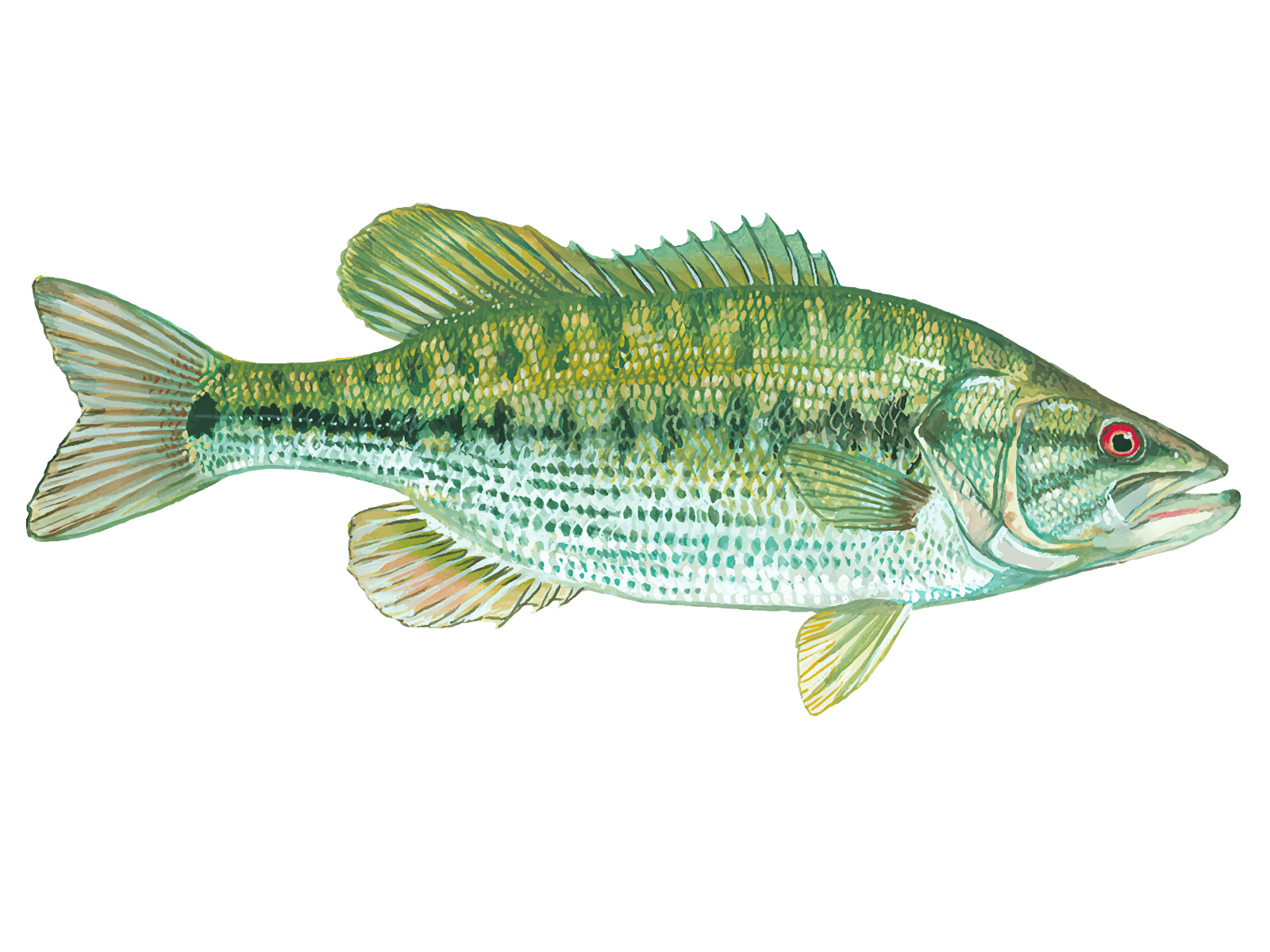
The Spotted Bass (Micropterus Punctulatus), belonging to the order Perciformes and family Centrarchidae, is one of North America's most exciting game fish for both seasoned anglers and newcomers alike. Often called the "Spotty" or "Kentucky Bass," this cylinder-shaped fighter is instantly recognizable by the characteristic dark spots arranged in neat rows along its lower body, gradually fading toward the white belly. With a body color ranging from light green to light brown, the Spotted Bass is frequently confused with its larger cousin, the Largemouth Bass, but several key distinguishing features set it apart. What makes this species particularly special is its tendency to school together—a behavior uncommon among other bass species—and its reputation as an exceptional fighter that dives deep rather than leaping, making every catch an adventure. Whether you're fishing in California's New Bullard's Bar Reservoir or exploring rivers throughout the Mississippi and Ohio basins, the Spotted Bass delivers a memorable angling experience.
Spotted Bass Habitat and Distribution
Spotted Bass thrive in slow-moving, clear waters with rock or gravel bottoms, making streams and rivers their preferred environments. Unlike many other bass species, they rarely venture into natural lakes and cannot tolerate brackish water or low oxygen saturation in very cold water. Their geographic range spans the lower and central Mississippi River Basin and the Ohio basin, extending from Florida to Texas, with populations found from the Guadalupe River to the Red River in East Texas. These bass gravitate toward structures—rocks, logs, and submerged features—rather than dense cover, so successful anglers should focus their efforts on rocky outcrops and structural elements throughout their range. The species' preference for cool, clear water with good oxygen content makes them perfect inhabitants of flowing river systems where they can find both food and ideal living conditions.
Spotted Bass Size and Weight
Spotted Bass typically range from 20 to 25 inches in length, with weights varying from 1 to 11 pounds depending on age and environmental factors. While average catches usually fall in the 2-5 pound range, trophy-sized individuals are absolutely within reach for dedicated anglers. The current world record, an impressive 11 pounds and 4 ounces measuring 24.25 inches long, was caught by Nick Dulleck at New Bullard's Bar Reservoir in California, demonstrating that truly exceptional specimens exist in select waters. Younger fish tend to be smaller and lighter, but what they lack in size they make up for in fighting spirit and aggressive behavior, making them perfect targets for anglers of all skill levels.
Spotted Bass Diet and Behavior
Young Spotted Bass typically feed on insects and zooplankton during their early life stages, but as they mature, their diet transitions to a more carnivorous preference centered on crayfish and small fish. These aggressive feeders also consume catfish, minnows, and various aquatic insects, making them opportunistic hunters that will strike at almost any offering that resembles their natural prey. One of the most distinctive behavioral traits of Spotted Bass is their tendency to school together, unlike the more solitary Largemouth Bass. This schooling behavior creates exciting opportunities for anglers who locate one fish, as several more may be nearby. When hooked, Spotted Bass behave more like their Smallmouth cousins, diving deep and fighting hard rather than jumping to the surface like Largemouths. Male Spotted Bass display remarkable parental dedication, guarding eggs for approximately four weeks and continuing to protect fry even after hatching—a fascinating glimpse into their breeding biology.
Spotted Bass Spawning or Seasonal Activity
Spotted Bass reach sexual maturity in their first year, making them prolific reproducers capable of establishing populations relatively quickly. Spawning occurs in spring when water temperatures range from 57 to 74 degrees Fahrenheit, with males and females preferring rock and gravel bottoms for nest construction. After females lay their eggs, males take over parental duties with remarkable dedication, guarding the eggs for approximately four weeks and continuing protective behavior toward the fry after they hatch. This intense parental care is a defining characteristic of the species and contributes to their success in river systems with suitable spawning habitat. Understanding these seasonal movements and spawning preferences can significantly improve an angler's success rates throughout the year.
Spotted Bass Techniques for Observation or Capture
Bait Casting and Spin Casting: The most popular approach for targeting Spotted Bass involves using a light-to-medium spinning rod paired with 6-pound fluorocarbon line. Cast toward rocky structures, submerged logs, and current breaks where these bass love to hide. Effective lures include crankbaits, jerk baits, soft plastic bags, and topwater offerings—essentially anything that would work for Largemouth Bass, given the Spotted Bass's aggressive nature. Early morning and late afternoon sessions produce excellent results, particularly when using topwater lures that create surface disturbance and attract strikes. Around New Bullard's Bar Reservoir in California and similar rocky reservoir systems, focus on steep drop-offs and structure-laden banks where Spotted Bass school together.
Fly Fishing: For fly enthusiasts, Spotted Bass presents an exciting challenge and consistent opportunity. Poppers, streamers, Clouser minnows, and other traditional fly patterns work exceptionally well, and the species' aggressive behavior means it will strike at most presentations with enthusiasm. Fly fishing for Spotted Bass is particularly rewarding because the fish puts up a tough fight, diving deep and making hard runs that test tackle and technique. Wade the shallow structure or fish from a boat in deeper water, varying your retrieves to trigger aggressive feeding responses.
Still Fishing and Drift Fishing: Patience and observation are key for still fishing or drift fishing applications. Position your boat or wade near rocky outcrops and structural elements, then allow live bait or soft plastics to work the productive zones. Drift fishing along current breaks in rivers allows you to cover water methodically and locate schooling fish. These passive techniques work particularly well during peak feeding times and when fish are actively pursuing their preferred prey of crayfish and small minnows.
Spotted Bass Culinary or Utilization Notes
Spotted Bass offers good eating opportunities with white, flaky meat that is mild and palatable when properly prepared. Many anglers consider them excellent table fare, comparable in quality to Largemouth Bass and other freshwater game fish. The meat has good odds for both quality and food value, making catch-and-release versus keep-for-dinner decisions a matter of personal preference and local regulations. Always check regional fishing regulations regarding size and bag limits before planning to keep your catch. When preparing Spotted Bass for the table, filleting and pan-frying with simple seasonings brings out the delicate flavor of the meat. Some anglers practice catch-and-release purely for the sport and conservation, allowing these excellent fighters to be caught and fought again another day.
Spotted Bass Frequently Asked Questions
Q: What is the best bait or lure for catching Spotted Bass?
A: Spotted Bass are aggressive feeders that will strike at most offerings designed for Largemouth Bass. Live crayfish and minnows work excellently, as do crankbaits, jerk baits, soft plastics, and topwater lures. Light-to-medium spinning rods with 6-pound fluorocarbon line offer the best balance of sensitivity and strength. Topwater presentations during early morning and late afternoon produce particularly exciting strikes.
Q: Where can I find Spotted Bass near major fishing destinations?
A: Spotted Bass are distributed throughout the Mississippi and Ohio River basins, ranging from Florida to Texas and into East Texas. New Bullard's Bar Reservoir in California holds the world record specimen. Look for them in streams and rivers with clear water, rock or gravel bottoms, and abundant structure. They prefer slow-moving sections with rocky outcrops rather than dense cover.
Q: How do I distinguish a Spotted Bass from a Largemouth Bass?
A: The most reliable distinction is the dorsal fin: Spotted Bass have a connected dorsal fin, while Largemouths have a separate one. Additional differences include the Spotted Bass's jaw not extending past the eye (Largemouth's does), much smaller cheek scales on Spotted Bass, and distinctive dark spots in rows on the Spotted Bass's belly (Largemouths have plain white bellies). Spotted Bass are also generally smaller than Largemouths.
Q: When is the best time to catch Spotted Bass?
A: Early morning and late afternoon produce the most exciting topwater action, though Spotted Bass feed throughout the day. Spring spawning season (water temps 57-74°F) can be productive, but always follow local fishing regulations. Year-round fishing is possible in suitable waters, with consistent catches available when you target rocky structures and schooling areas.
Q: Why do Spotted Bass fight differently than Largemouth Bass?
A: Spotted Bass dive deep and fight like Smallmouth Bass when hooked, rather than jumping to the surface like Largemouths. This aggressive diving behavior makes them exceptional fighters that test anglers' skills and tackle, which is why experienced anglers consider them such exciting quarry. The hard-fighting nature of this species—even smaller specimens—makes every catch memorable.
Q: Are Spotted Bass good to eat?
A: Yes, Spotted Bass have excellent culinary qualities with good odds for food value. The white, flaky meat is mild and palatable when properly prepared. Many anglers consider them equal to or better than Largemouth Bass for table fare. Pan-frying fillets with simple seasonings brings out the delicate flavor. Always check local regulations for size and bag limits before planning to keep your catch.
More specie you can explore on this trip

Branson Champion Guide Service Available Trips
Ready to reel in some largemouth bass on Table Rock Lake? Join Captain Rick Skidmore for a 4-hour guided fishing trip in beautiful Branson, MO. Whether you're new to bass fishing or looking to sharpen your skills, this outing is perfect for anglers of all levels. Rick will share his local knowledge, teaching you effective techniques to locate and catch these prized fish. No need to bring any gear – all the fishing equipment, tackle, and safety essentials are provided. As you cruise the scenic waters, you'll get hands-on practice with different strategies while soaking in the natural beauty around you. It's a great way to learn, improve your fishing game, and hopefully land some impressive bass. Grab a friend and come enjoy a productive day on the lake with an experienced guide who knows these waters like the back of his hand.