%2Ffit-in%2F250x250%2Fguide_websites%2F11750%2Fimages%2Fchampion.png&w=1920&q=100)
Bass Fishing in Kimberling City MO with Guide Rick Skidmore
Bass Fishing in Kimberling City - What to Expect
%2F%2Fusers%2F4f10c097-efba-4e73-9332-3ef390616949%2Fimages%2Fdouble-bass-kimberling-city-missouri-2615.jpg&w=1920&q=75)
Guided Fishing Trip by Guide Rick Skidmore in June
- Branson MO Fishing Guide, Reel in Adventure Today


Summary
Join Guide Rick Skidmore of Champion Guide Service on a guided fishing trip in Kimberling City, MO. This Thursday in June offers an excellent opportunity to target bass in prime waters around Branson. Learn local fishing techniques and catch methods that produce results on these productive waters.
Bass Fishing with Rick Skidmore - Rates & Booking
Guide Rick Skidmore of Champion Guide Service operates guided fishing trips on Thursday, June 4th around Kimberling City. Rick brings years of local expertise to the waters near Branson, MO, where consistent bass populations provide excellent opportunities for both experienced anglers and those new to the sport.
Bass fishing in this region demands an understanding of seasonal patterns, water temperature, and structure. Rick's local knowledge helps anglers position themselves for success. Contact Champion Guide Service to book your guided experience and receive information about trip duration, group size, and included equipment.
Highlights of Your Guided Bass Fishing Experience
The Kimberling City area offers diverse bass habitat with varying depths and structure. Whether you're targeting shallow weed lines or deeper underwater points, the region supports healthy bass populations year-round. Rick's guided approach means learning proven techniques specific to these waters rather than relying on generic methods.
Your catch-and-release or harvest experience on a guided trip includes exposure to different fishing styles and seasonal tactics. Bass respond to various presentations depending on water conditions, weather patterns, and time of year. Being on the water with an experienced guide accelerates your learning curve significantly.
Local Bass Insights and Water Conditions
Bass behavior in the Branson area is influenced by several environmental factors. Water temperature drives bass activity levels - warmer spring and fall periods typically produce active feeding windows. During summer, bass often move to deeper structure and shade. Understanding these patterns helps explain where Rick positions the boat and what techniques he chooses for each phase of the day.
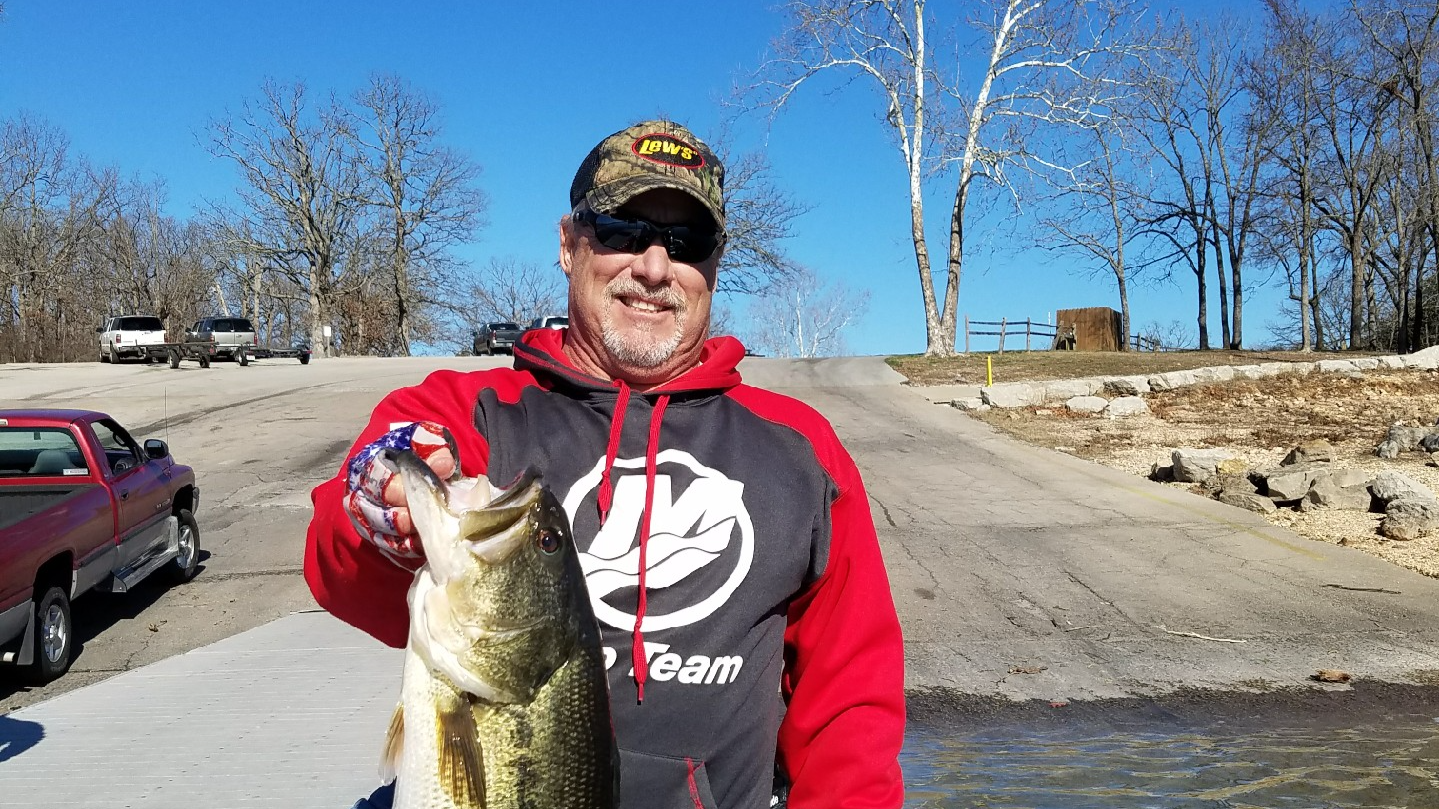
The Kimberling City region features a mix of rocky structure, submerged timber, and vegetation that bass use for hunting and shelter. Largemouth and smallmouth bass utilize these features differently based on forage availability and seasonal movements. When you see bass caught like those displayed on the boat, they've typically been located near this structure where they hunt baitfish and crawfish.
Bass feeding patterns connect directly to water clarity, light conditions, and barometric pressure. Overcast days and low-light periods often produce active feeding. Early morning and late evening present prime opportunities. Rick factors all these conditions into his daily strategy, adjusting presentations and locations based on current water conditions and recent activity reports.
The depth at which bass hold varies seasonally. In spring, bass move shallow to spawn in protected areas. Summer heat pushes them deeper to cooler, oxygen-rich zones. Fall cooling triggers another shallow migration. Winter typically finds bass in the deepest available structure. Understanding these movements explains why guides adjust their approach throughout the year.
Successful bass fishing also involves learning which lures and live bait options work best in current conditions. Different presentations trigger strikes depending on bass mood and feeding pattern. Spinnerbaits, crankbaits, soft plastics, live shiners, and crawfish all have their place. Rick's experience with multiple techniques means you're learning versatility rather than relying on one approach.
Plan Your Bass Fishing Day
A typical guided bass fishing trip involves departing early to maximize productive hours. Most trips run several hours to allow time for multiple locations and changing conditions. You'll learn boat positioning, casting placement, and lure selection throughout the experience.
Having a guide means equipment is typically ready and optimized for current conditions. Safety equipment and proper life jackets are standard. The pace allows for learning as well as active fishing - Rick explains what he's doing and why, making the experience educational rather than just recreational.
Group size on guided trips varies, but smaller groups allow more personalized instruction and casting opportunities. Two anglers on a boat means ample deck space and frequent turns at prime positions. Comfort matters on the water - sun protection, hydration, and proper clothing for weather conditions make for better days.